Designing with Light and Shadow: Atmosphere Beyond Aesthetics
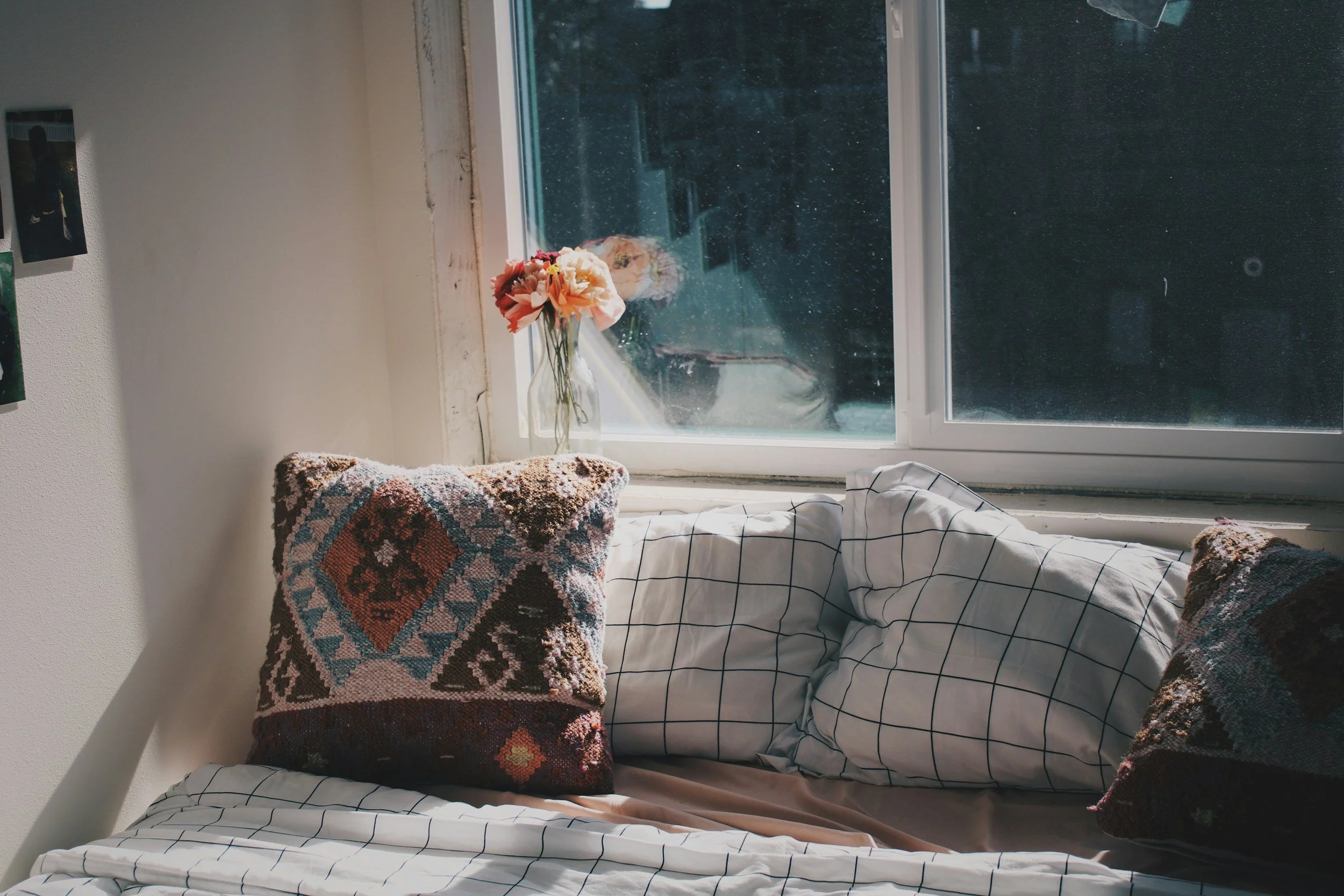
Light is one of the most expressive design materials we have, yet it’s also one of the least tangible. It defines how we move through a space, how we read colour and texture, and even how we feel at different times of day. In many ways, light is the architecture that sits on top of architecture. It reveals structure, influences emotion, and dictates whether a room feels alive or inert.
Designing with light is understanding how light behaves, how it changes, and how it can be shaped to support daily routines. Where light lands, where it fades, and how it transitions across surfaces all play into the way we experience atmosphere. Shadow completes that picture.
The Function of Light
Light is the foundation of spatial performance. It determines visibility, comfort, and flow. Before any stylistic consideration, lighting design begins with purpose: what happens here, and when?
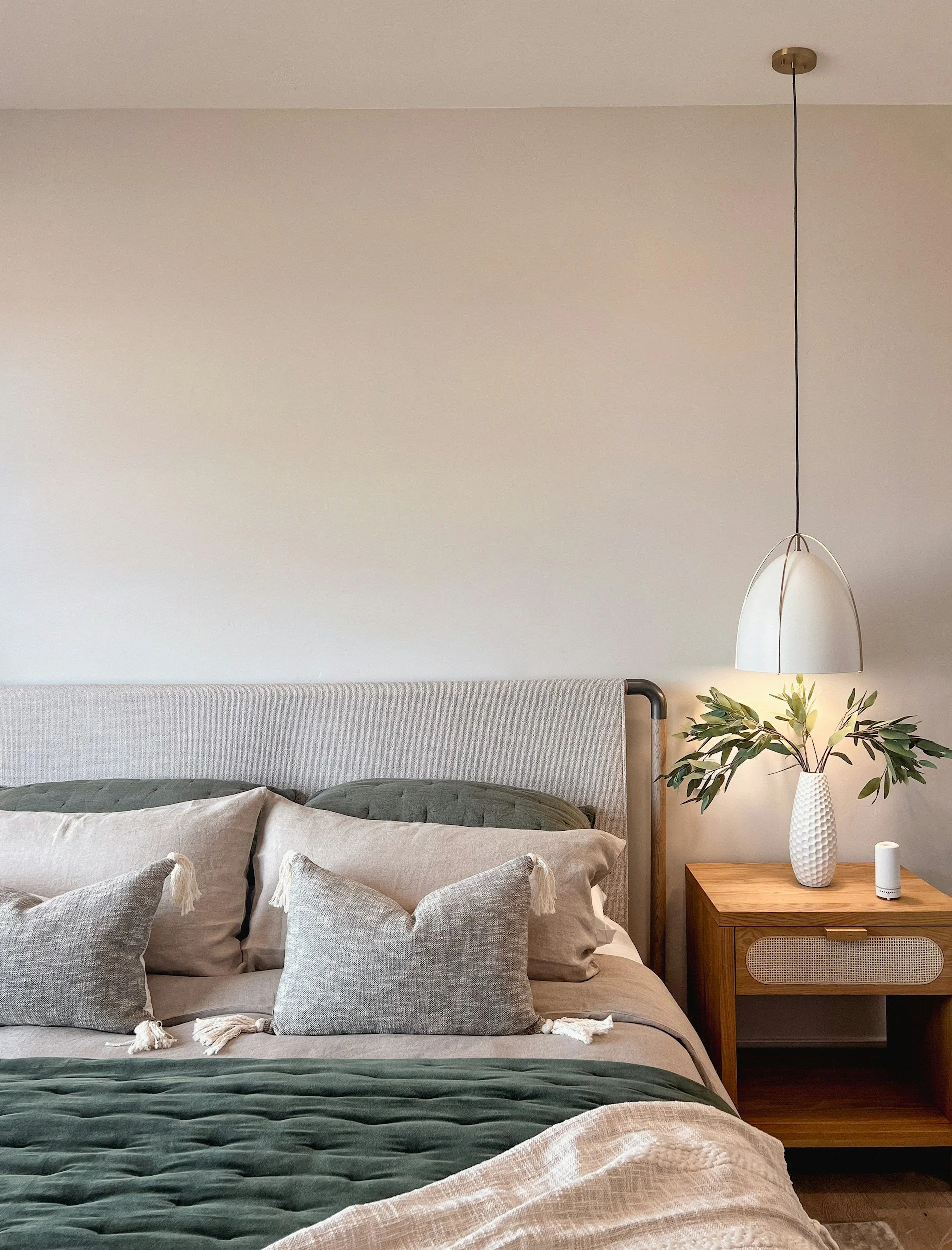
In living spaces, light must be layered, not simply placed. Ambient light defines overall clarity, task lighting brings precision, and accent lighting adds depth. The way these layers interact decides whether a home feels flat or dimensional.
For example, a kitchen might rely on generous overhead illumination during meal prep, but in the evening, a softer glow from under-cabinet strips can shift the atmosphere entirely. The same space shifts effortlessly from workday to wind-down without a single change in fixture, only a shift in purpose.
Natural light, too, deserves orchestration. The direction and intensity of sunlight influence how we perceive proportion and texture. A south-facing room in Perth receives a steady, diffuse wash of light; an east-facing one brightens dramatically in the morning before falling into cool tone by afternoon. Understanding these cycles allows a design to work with the day rather than against it.
Artificial light should complement, not compete with, what nature already provides. A thoughtful scheme anticipates where shadows will fall and where reflection will occur. ensuring that light serves both the task and the temperament of the room.
The Counterpart: Shadow
Shadow is often seen as absence, but in design it’s what gives light its meaning. Without shade, objects lose definition and rooms lose depth.
Shadow creates intimacy where openness might feel overwhelming. It draws the eye toward what matters and softens what doesn’t need attention. A well-placed wall sconce might leave the edges of a room gently obscured, creating a sense of enclosure without adding clutter.
In heritage homes where texture and material variation carry presence, shadow acts as a moderator. It preserves the mood of a room, letting jarrah floors, brass fittings, and painted mouldings carry quiet weight without being overexposed.
In contemporary interiors, controlled shadow can add a sense of calm. Subtle variation in light gives the room dimension and creates a softness that invites pause. There’s nuance to engage with, and a sense of balance that feels closer to nature.
Designing with shadow is about understanding restraint. Every space needs visual rest, areas that hold a slower light. It’s this interplay between illumination and obscurity that gives a home atmosphere, the sense that it’s alive to the time of day.

Designing for Atmosphere
Atmosphere arises from the way light and shadow interact with materials. A painted wall, a polished floor, a linen curtain, each reacts differently to illumination. The sheen of a surface determines reflection; the texture, absorption. The more deliberately those relationships are planned, the more cohesive a room feels.
Consider how light behaves on timber. Its grain catches the glow and gives warmth even in cool colour palettes. Stone, on the other hand, holds shadow in its veins, grounding a room with quiet permanence. Metals shift constantly, scattering light in fine gradients that lend movement to still forms.
Colour also shifts under different conditions. A deep green can feel restful in soft afternoon shade yet energised under morning light. Designing for atmosphere means predicting these transitions and aligning them with how the room is actually used.
Layering light intentionally allows a home to adapt. In an open-plan space, pendant lighting might anchor activity zones while recessed fixtures keep circulation paths clear. In a smaller room, the balance changes, fewer sources each positioned with precision, to maintain harmony without glare.
Mood and function converge when light levels can flex. Dimmable circuits, lamps on timers, or sheer curtains that temper daylight, these are not decorative extras but tools of lived comfort.
Light as Story
Every home tells a story through its light. Morning light spilling across the kitchen bench, the late glow that settles in a study, the cool hush of evening as lamps, these moments define how a space feels more than its furnishings ever will.
When we design with awareness of those shifts, we move beyond aesthetics into empathy. We start thinking in terms of how a person wakes, works, unwinds. The home becomes a responsive environment, one that shapes itself around real patterns of living.
This story also unfolds across the seasons. Perth’s sunlight can be fierce in summer, tender in winter. A space that feels bright and open in June might need filtered shade in January. Incorporating elements like adjustable blinds, overhangs, or even planting can tune the home to its climate, a design dialogue between indoors and out.
Designing for light evolves with the space itself, responding to how it’s used and how it changes over time. As the day turns, so does the character of the home. Observing that change is part of designing with awareness, understanding that a well-lit room isn’t one that’s always bright, but one that always feels right.
Educational Interlude: Key Principles of Lighting Design
While atmosphere speaks to emotion, structure supports it. Three guiding principles help bridge the two:
Hierarchy -Define what needs to be seen clearly and what can fade into background. Every space benefits from a visual order of priority.
Direction - Light from above flattens; light from the side shapes. Combining both adds balance and depth.
Temperature - Warm light invites and relaxes; cool light sharpens and focuses. Matching tone to task strengthens both function and mood.
Understanding these basics helps designers and homeowners alike interpret lighting beyond aesthetics. It becomes a language for intention, every fixture, fitting, and finish saying something about how the space is meant to feel.
Reflection
Light and shadow are partners in creating atmosphere. Together, they reveal what’s essential and soften what’s not. A home that acknowledges both becomes more than a composition of furniture and finishes; it becomes an environment that moves with its occupants.
The best lighting design guides attention, marks transitions, and allows life to unfold with coherence. It works quietly in the background, but its impact is visceral. How morning feels, how evening settles, how presence becomes embodied in space.
Light and shadow, when designed with purpose, define how a space feels as much as how it looks. In that subtle choreography, the real beauty of interior design emerges, Not in what’s seen at first glance, but in what’s felt long after.